Research on how data systems and institutional practice shape the governance of trade.
I study how machine learning, administrative data, and analytic infrastructures reshape decision-making in public institutions, especially in customs and international trade. My work sits at the intersection of technical systems, institutional authority, and policy implementation.
Across customs operations, fiscal analytics, and regional digital trade integration, I am interested in how evidence becomes trustworthy, accountable, and usable once it enters real organizational workflows.
About
Current activities and research directions.
The work below reflects where I currently spend time: international advisory work, graduate teaching, research development, and building bridges between academic inquiry and institutional practice.
WCO-accredited Data Analytics Expert
Serve as a World Customs Organization representative advising customs administrations on integrating data analytics into institutional practice across Asia-Pacific, Latin America, and Europe.
WCOCustoms analyticsInstitutional practice
Technology and Trade Governance Research
Studying how data systems, classification standards, and analytics reshape customs and international trade governance.
Technology governanceTrade systemsCustoms
Graduate Teaching Assistant, Carnegie Mellon
Worked closely with Professor Mary Ellen Benedict to support graduate students in an intensive spring 2026 course on economic analysis, quantitative reasoning, and applied problem-solving.
Chair the Advisory Board at the Center for Customs and Excise Studies, connecting academic research with policy practice in international trade and mentoring young researchers working at that intersection.
Research mentoringTrade policyInstitutional bridge
Publication
Published work and ongoing manuscripts.
This section highlights published research across customs analytics, trade policy, and environmental governance. Together, these pieces show how technical methods can inform public institutions and real policy choices.
Published
Measuring the Effectiveness of Plastic Excise Policy in Overcoming Environmental Pollution in Indonesia
Jurnal Perspektif Bea dan Cukai · 2025
Evaluates plastic excise as an environmental policy instrument and compares it with alternative approaches.
Customs' Role in Overcoming Covid-19 Outbreak: The Case of Indonesia
Customs Research and Applications Journal · 2020
Analyzes customs policy interventions during the COVID-19 pandemic, revealing that while fiscal incentives effectively boosted medical supply imports, procedural constraints hindered improvements in dwelling times.
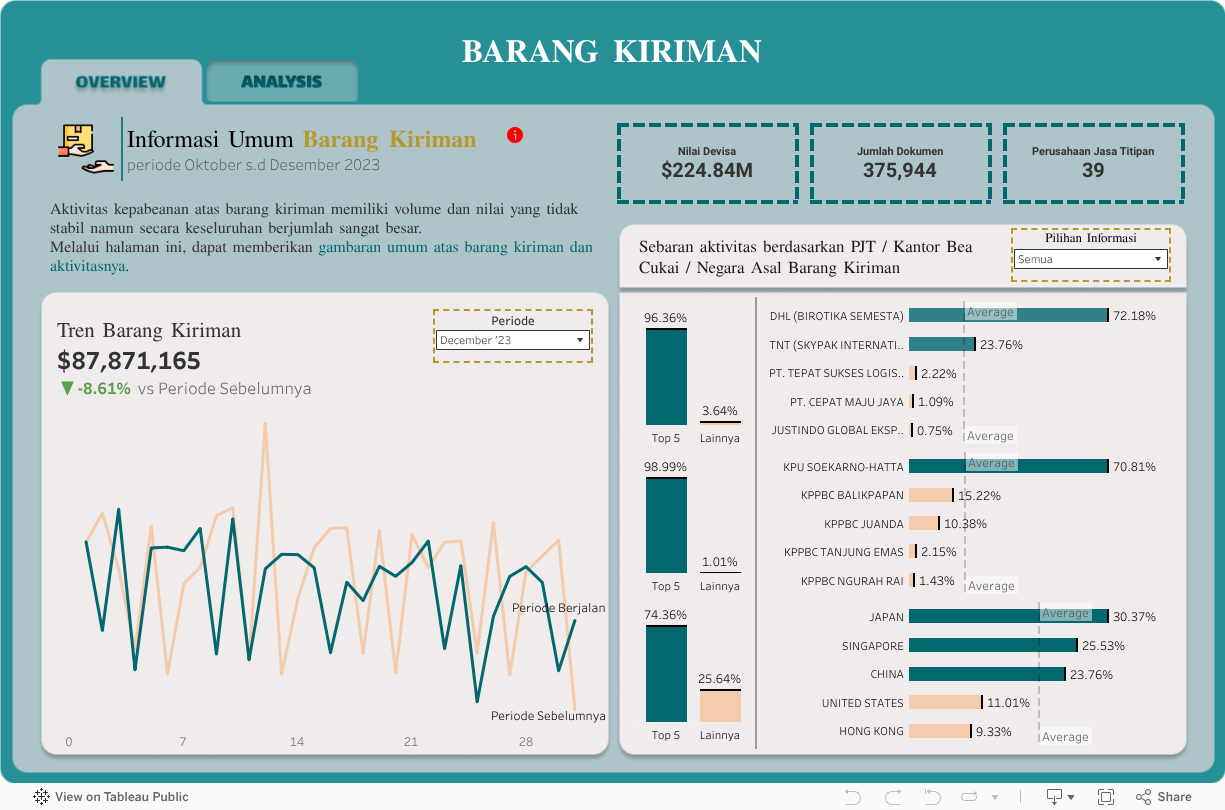
These projects translate research and analytical thinking into usable tools: applications for policy exploration, dashboards for monitoring and interpretation, and interfaces designed to support clearer decisions.
An interactive policy tool that pairs trade agreement materials with LLM-assisted navigation, helping users move faster across treaty content, implementation questions, and decision-relevant references.
A policy analysis app for exploring H-1B, OPT, and CPT responses under cost and incentive shocks, designed to make scenario-based labor and immigration analysis easier to inspect.
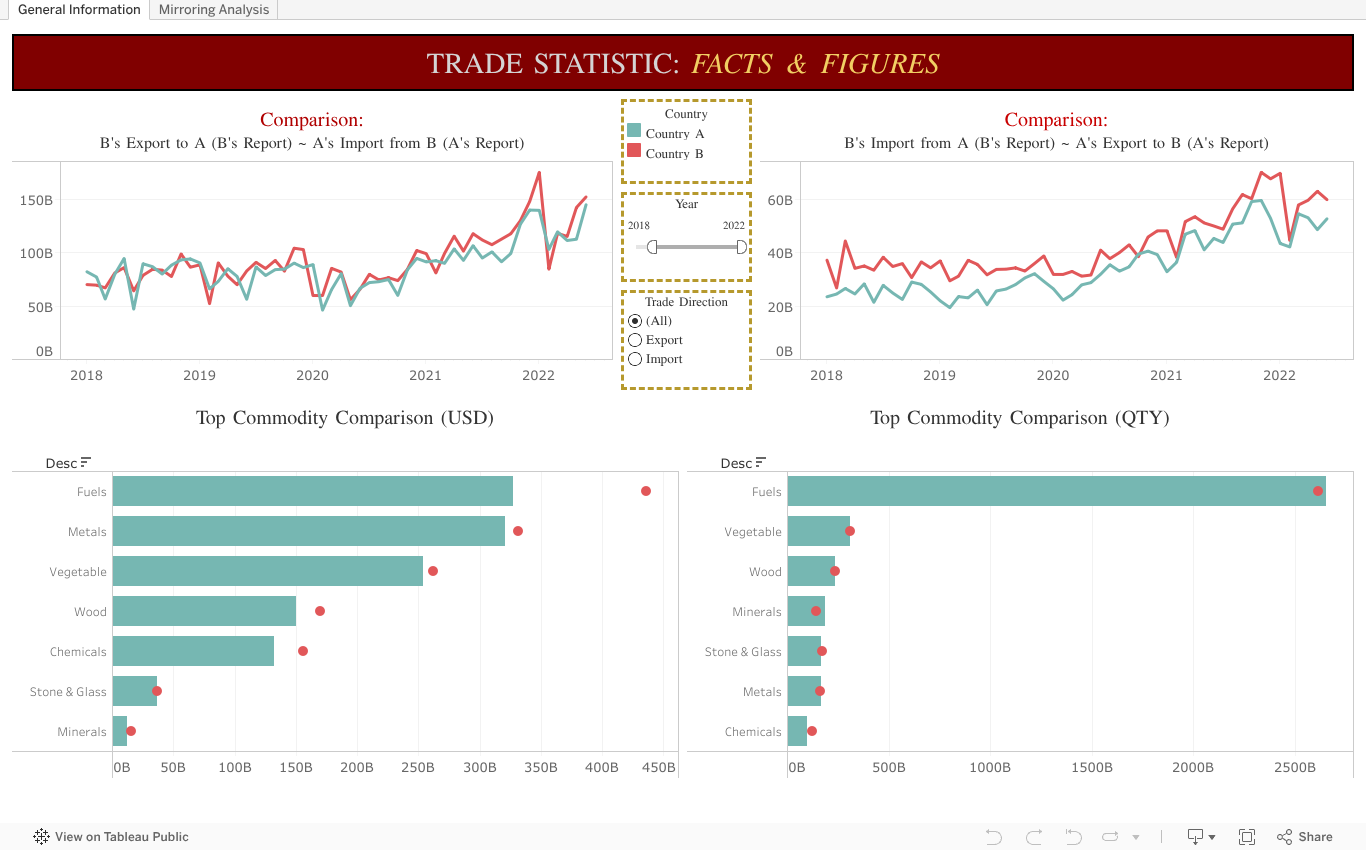
A live analytical environment for investigating trade mirroring patterns, possible rerouting behavior, and circumvention risk through comparative trade statistics.
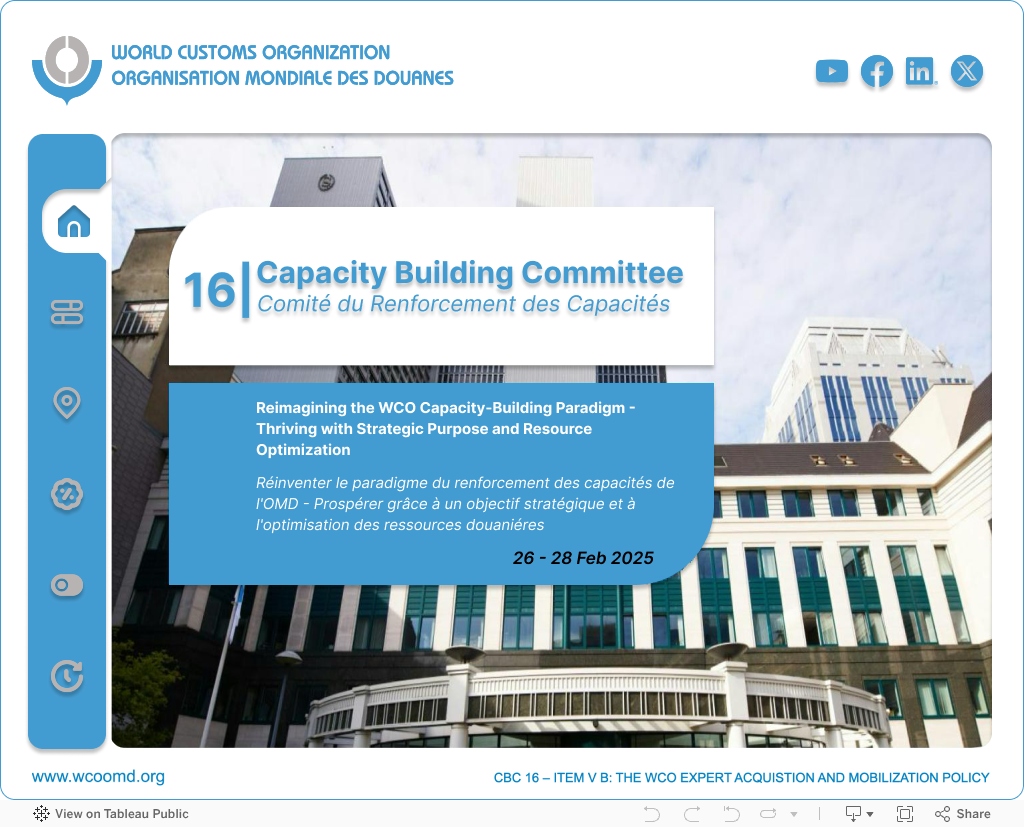
An interactive Tableau view on expert acquisition and mobilization policy, structured to surface allocation patterns, program design questions, and implementation priorities.
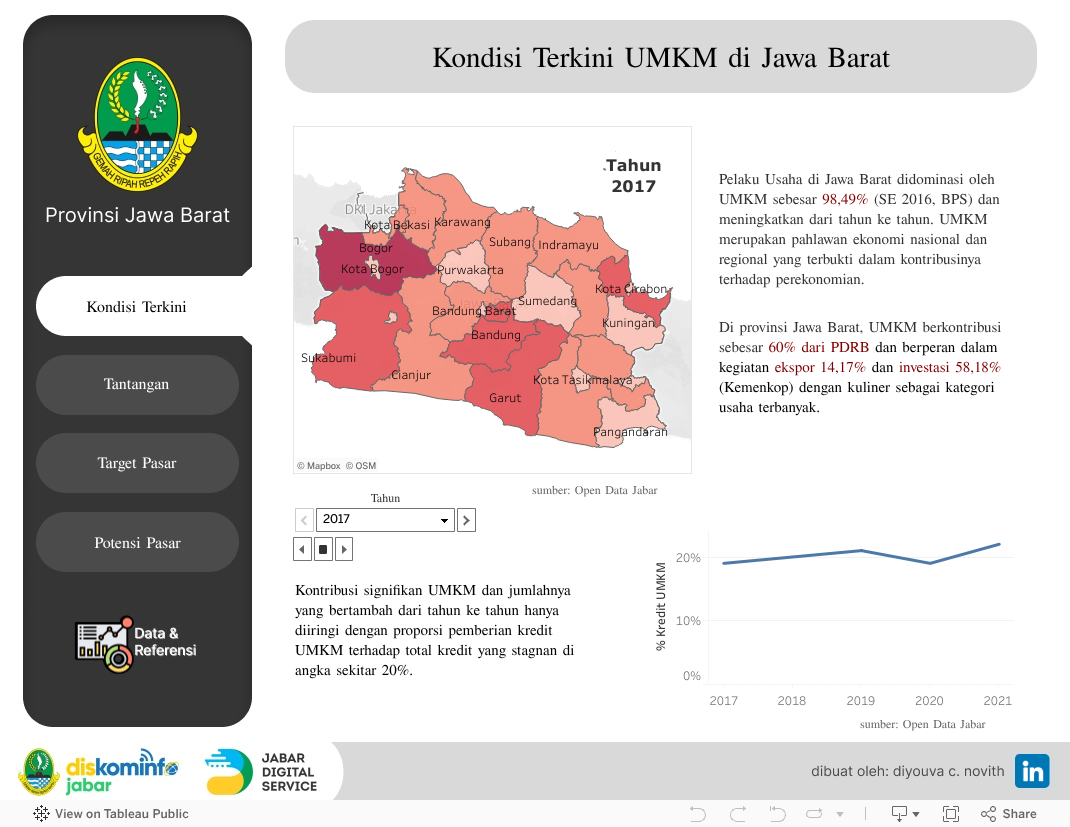
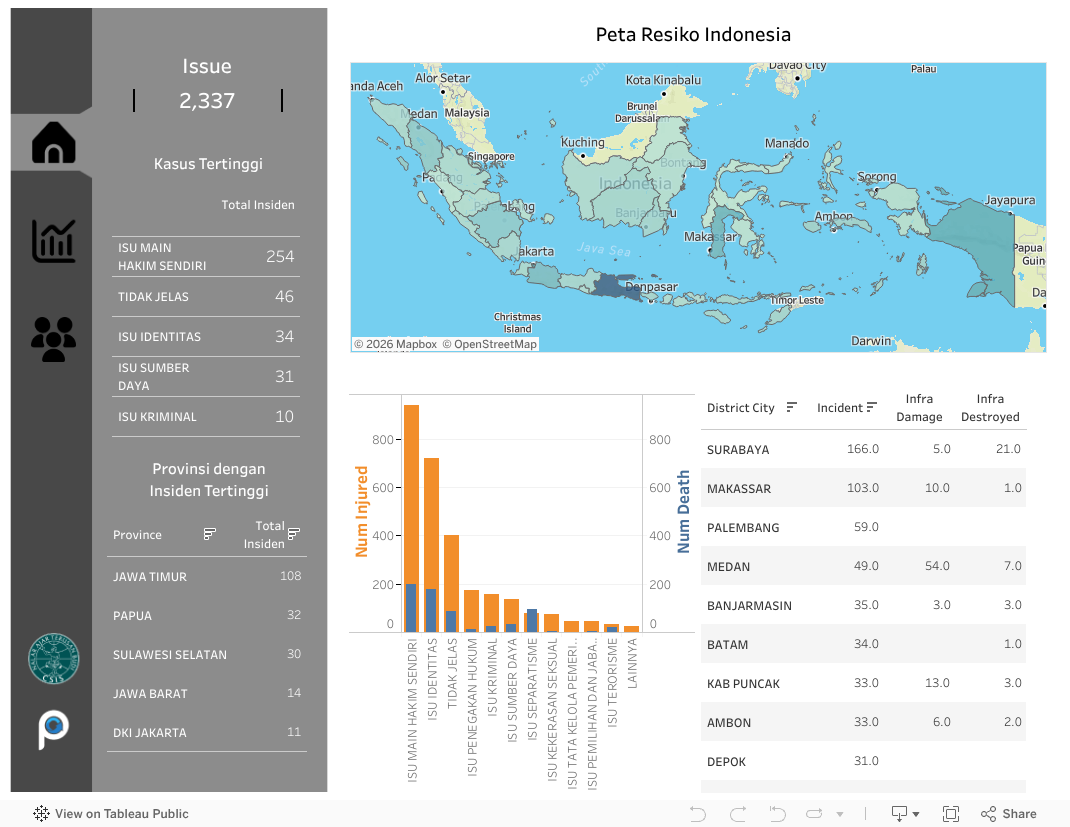
A spatial dashboard on incidents and issues in Indonesia, designed to make geographic risk patterns easier to scan and compare.
Risk mapSpatial analysisPolicy view
Honors
Awards, distinctions, and competitive recognition.
These recognitions reflect work that has been valued across research, public service, scholarship, and applied analytics. Taken together, they mark a record of building evidence that is useful both academically and institutionally.
World Customs Organization (WCO) Expert in Data Analytics
World Customs Organization
January 2025
Accredited as a WCO Expert in Data Analytics after an international assessment recognizing the ability to bridge technical analytics with operational customs practice across national contexts.
Best Paper - Call for Paper 4th WCO RTC Asia/Pacific 2024
World Customs Organization Regional Trade Centre Asia/Pacific
October 2024
Awarded Best Paper for research on machine learning support for Harmonized System code classification in international trade.
LPDP Awardee - Indonesia Endowment Fund for Education
LPDP
June 2024
Selected for Indonesia's flagship government scholarship to pursue graduate study at Carnegie Mellon University, with a public-service commitment tied to national development.
WCO Certificate of Merit
World Customs Organization
January 2024
Recognized for initiating and leading the Customs Data Culture program, a nationwide effort that changed how the Indonesian customs administration uses data in operations and decision-making.
Finalist of Kemenkeu Data Conquest 2023
Kementerian Keuangan
November 2023
Recognized in a Ministry of Finance analytics competition focused on applying data mining and analytical methods to real institutional problems.
5th Place Winner - Call for Paper 3rd WCO RTC Asia/Pacific
World Customs Organization Regional Trade Centre Asia/Pacific
October 2023
Awarded 5th place for the XBNet customs fraud detection paper on machine learning for customs risk management.
2nd Place - Hackathon: Collective Violence Early Warning
CSIS Indonesia & Pacmann
February 2023
Won second place for a risk-mapping tool that used data analytics and spatial methods to support early warning of collective violence.
Top 10 Project Data Analytics
Directorate General of Customs and Excise - Indonesia
July 2021
Recognized for a dashboard on Free Trade Agreement impacts, trade balance monitoring, and provincial export opportunity mapping.
ICAEW Student Scheme Scholarship
The Institute of Chartered Accountants in England and Wales
October 2020
Received a full tuition scholarship for ICAEW coursework and certification, awarded on the basis of the highest GPA among eligible students at PKN STAN.
CV
Curriculum vitae.
For a fuller view of academic training, professional experience, publications, and selected responsibilities, the complete curriculum vitae is available below.
Recent updates, workshops, and public-facing milestones.
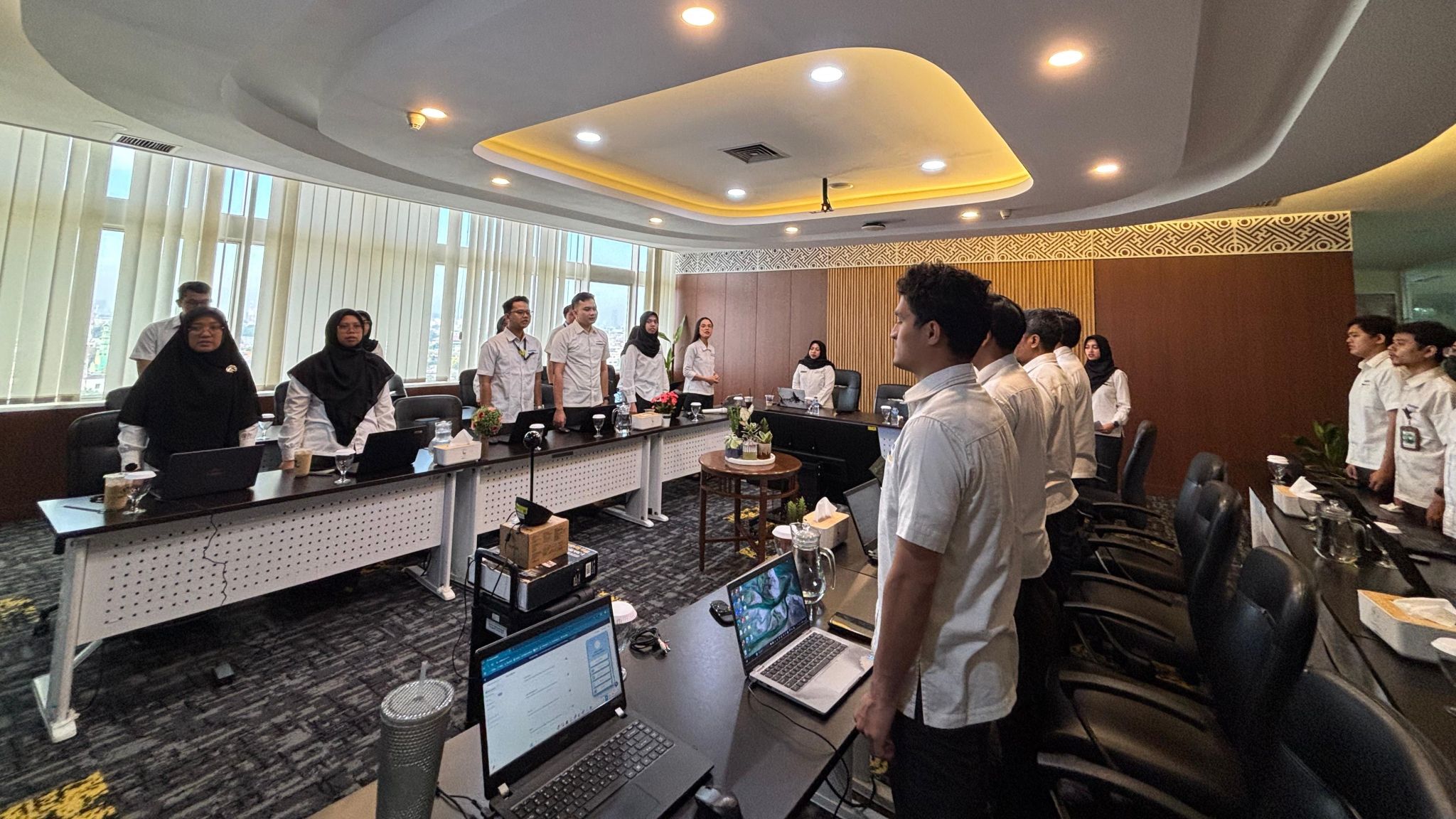
Recent workshops, mentoring sessions, and institutional engagements offer a more immediate view of how this work travels beyond publications: into classrooms, customs administrations, and professional communities.
Peru Workshop on Customs Analytics with SUNAT
National workshop for SUNAT, Peru
March 2026
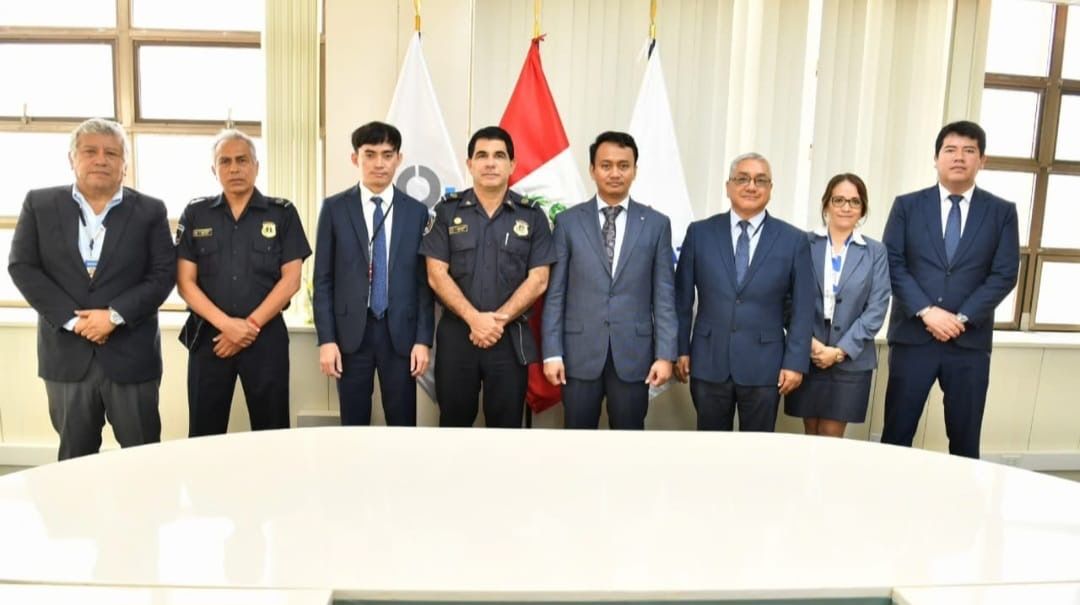
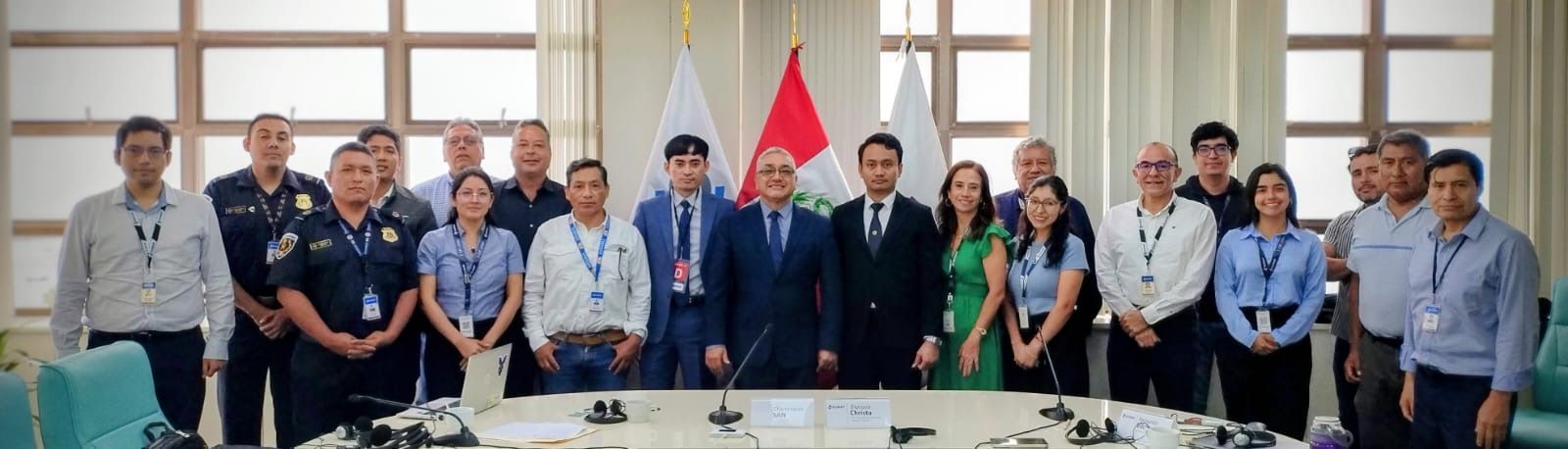
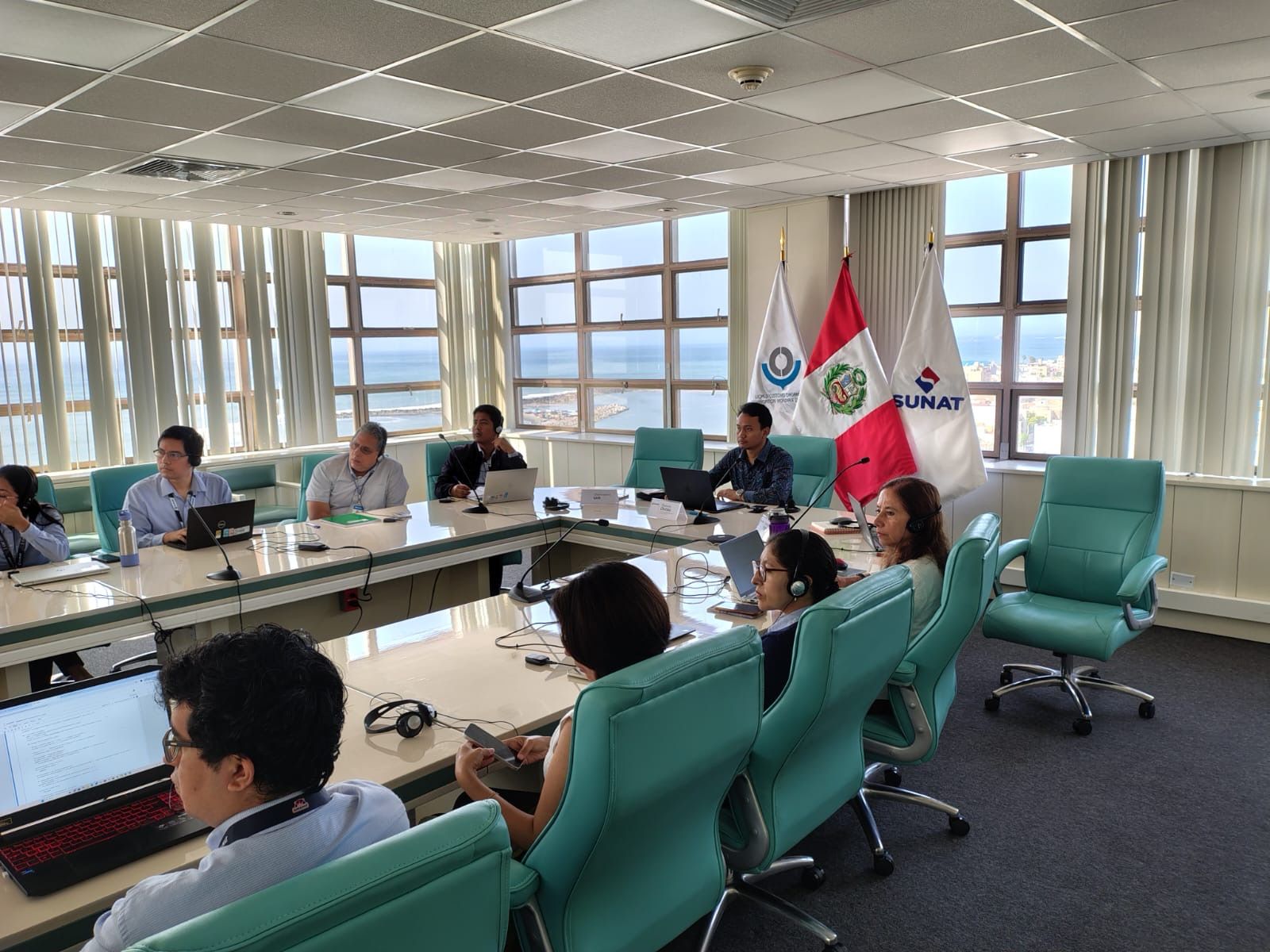
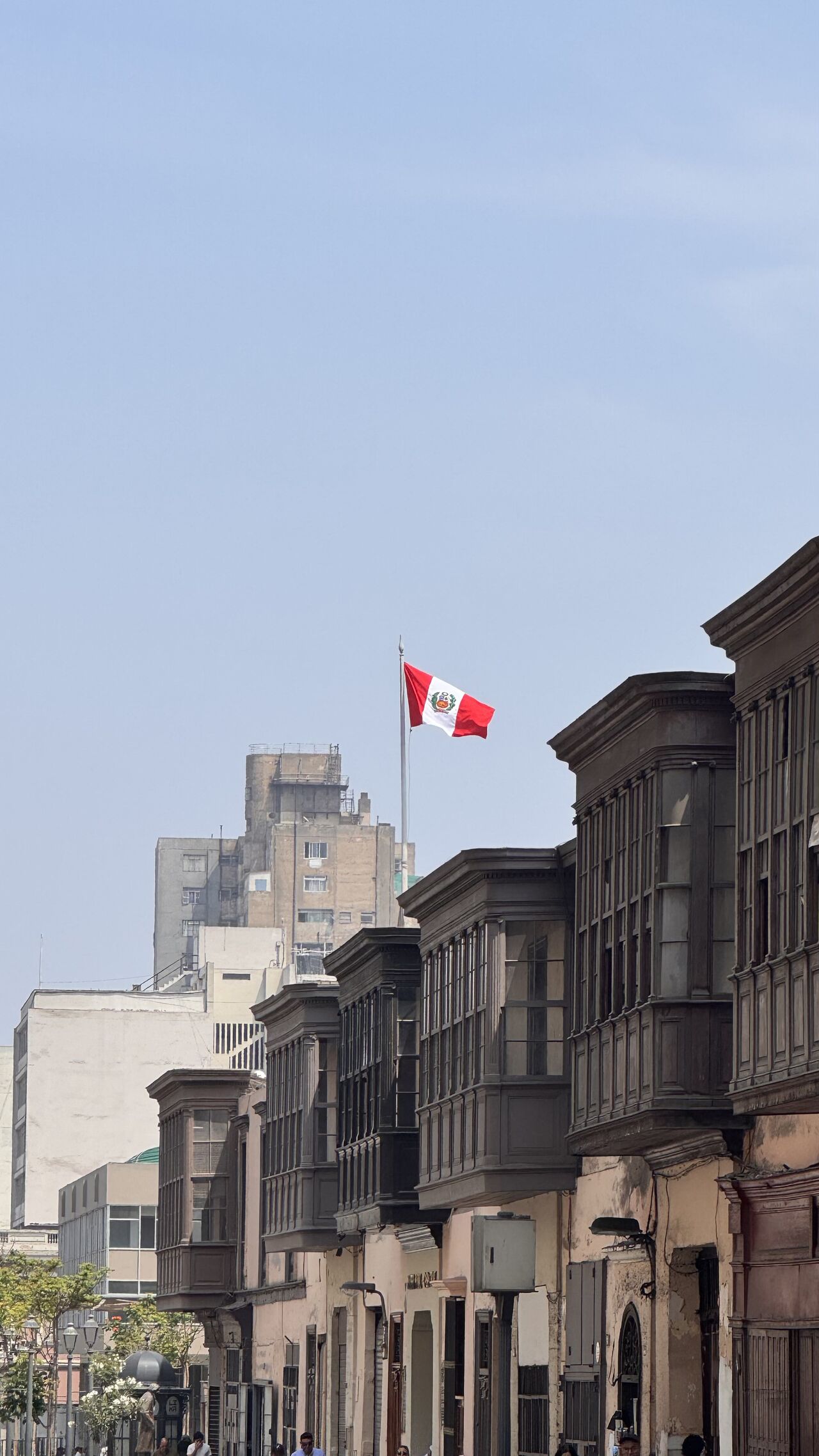
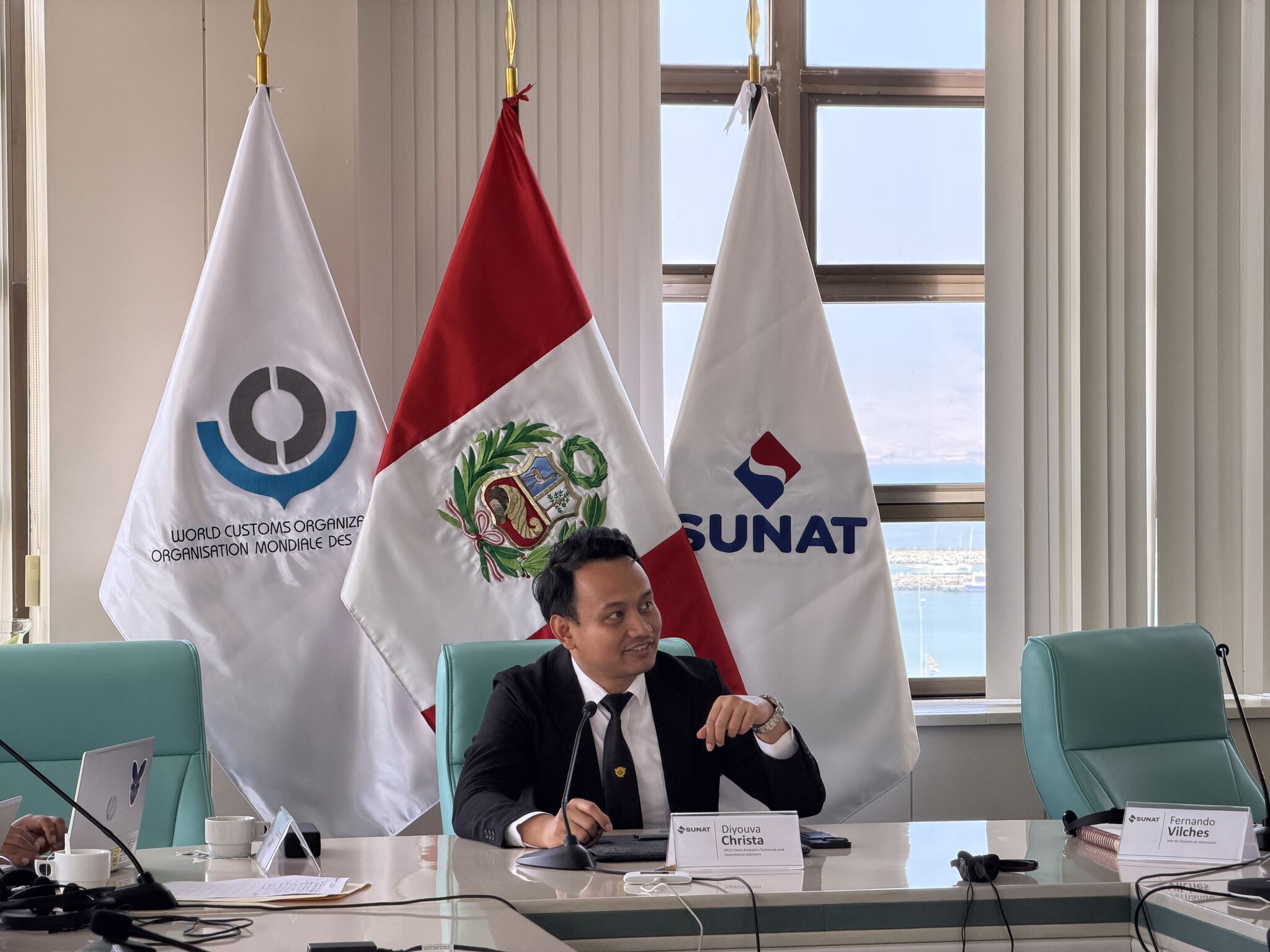
Co-facilitated a five-day workshop in Lima for SUNAT on customs analytics, risk management, customs valuation data, and evidence-based decision-making under the WCO-SECO programme.
National Data Analytics Workshop for Viet Nam Customs
WCO BACUDA Project
December 2025
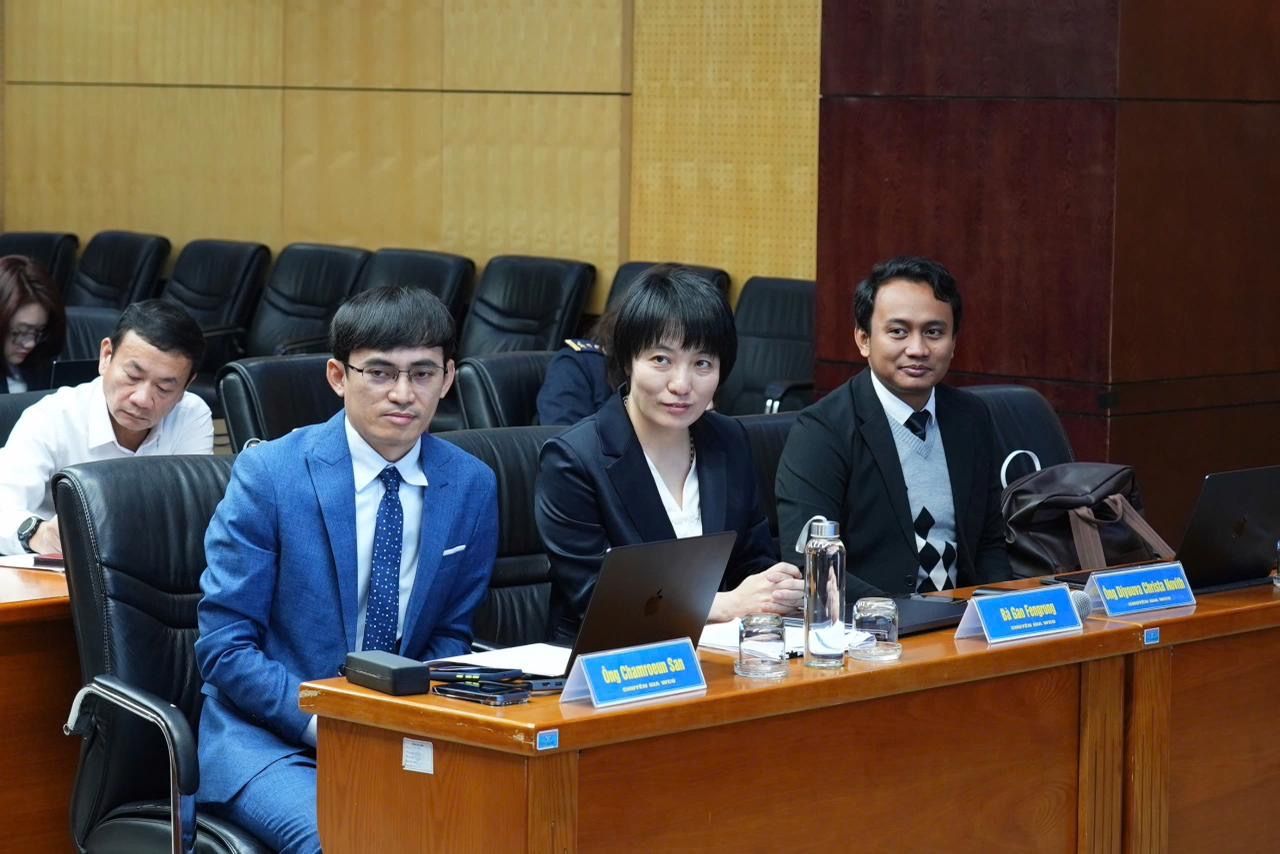
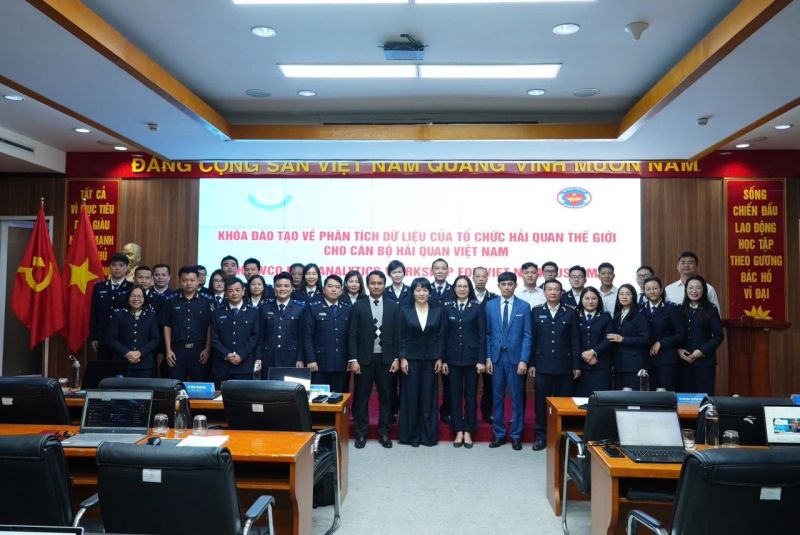
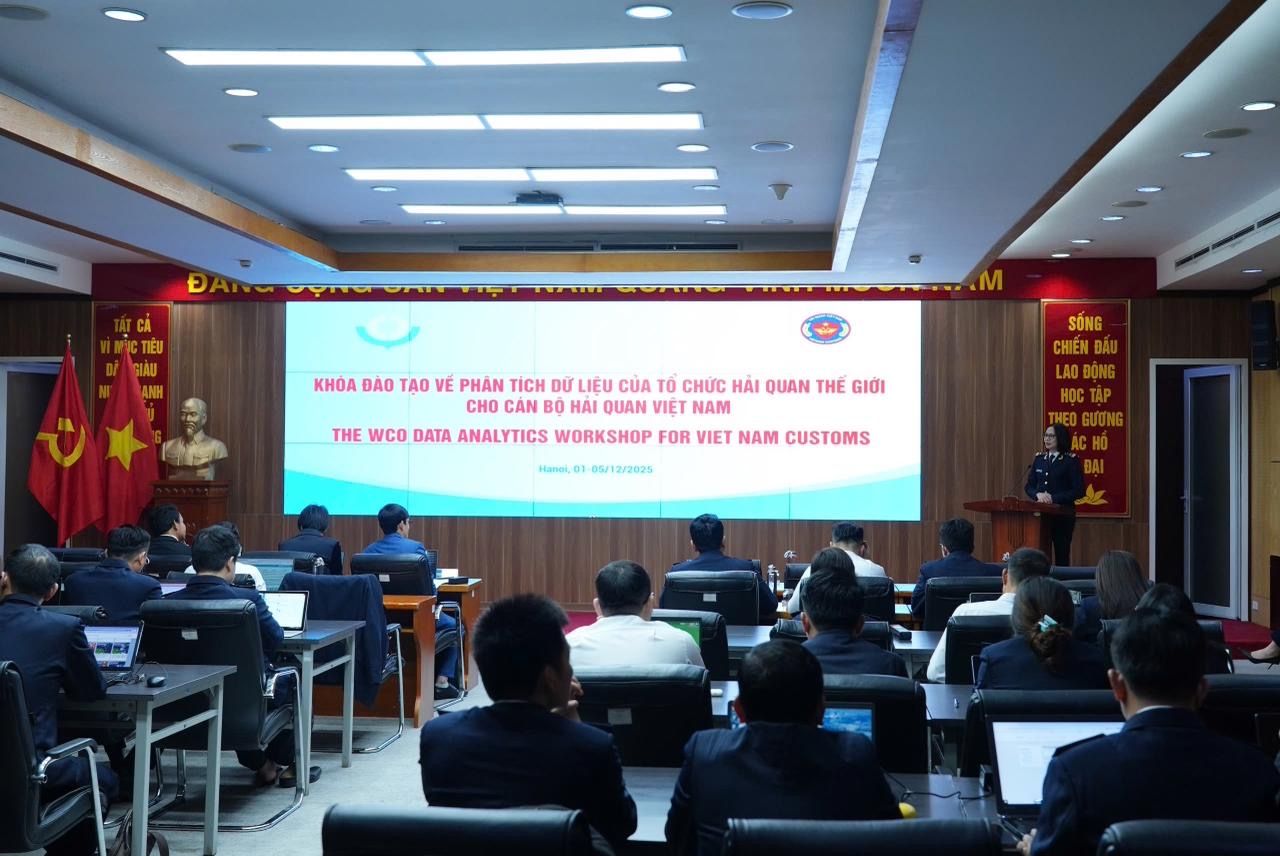
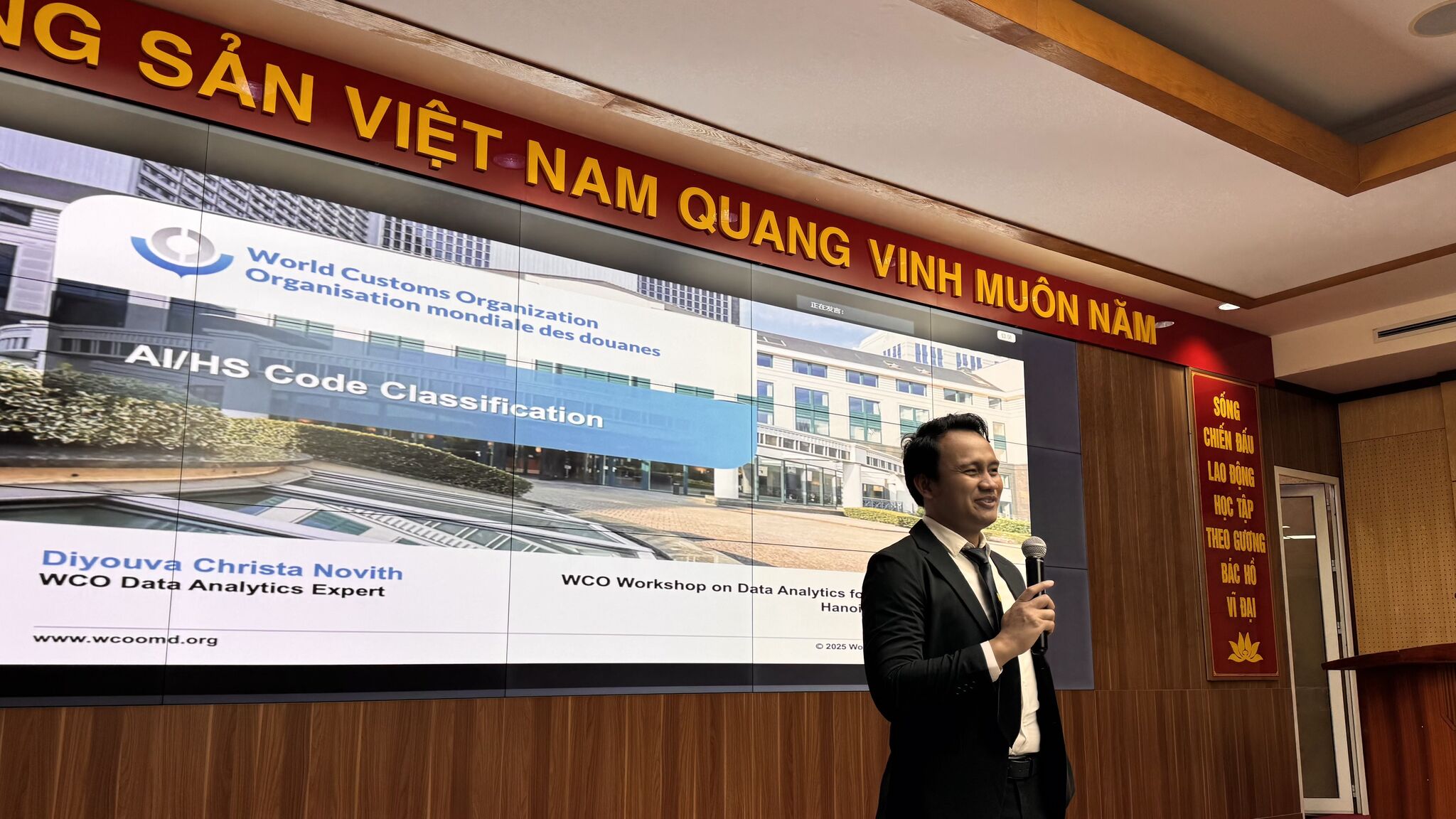
Contributed as co-facilitator and WCO Data Analytics Expert in Hanoi, supporting a workshop that connected hands-on training in Python, fraud analytics, and HS classification with longer-term institutional readiness.
Presenting Indonesia's Integrity-by-Design Approach at the WCO ISC
Presenter representing Indonesia Customs
2025
Presented Indonesia Customs' approach to embedding integrity through data-driven controls, institutional design, and measurable operational outcomes in a global forum with delegates from nearly 100 WCO members.
Practical Data Visualization Session for Technical Customs
Internal analytics sharing session
May 2025
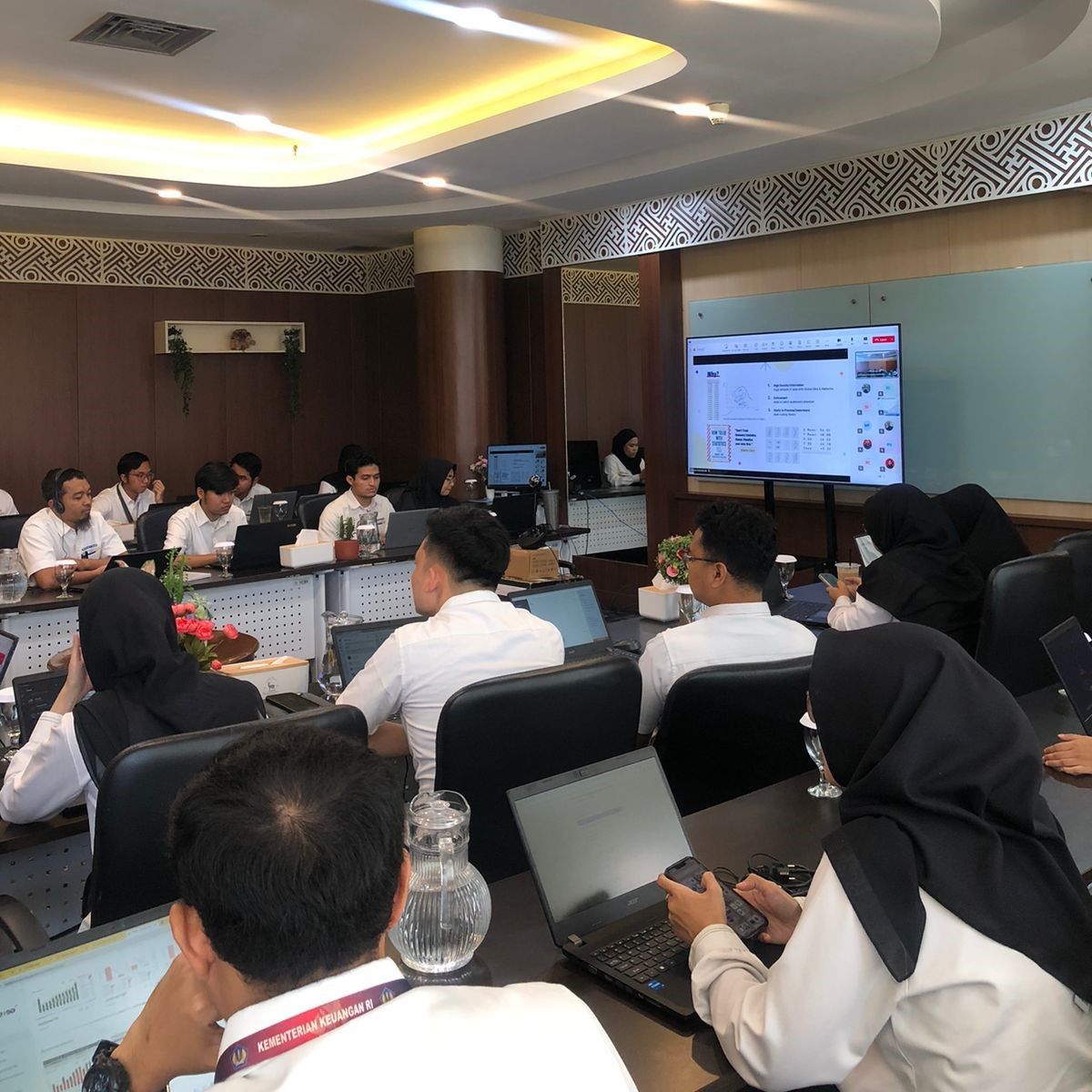
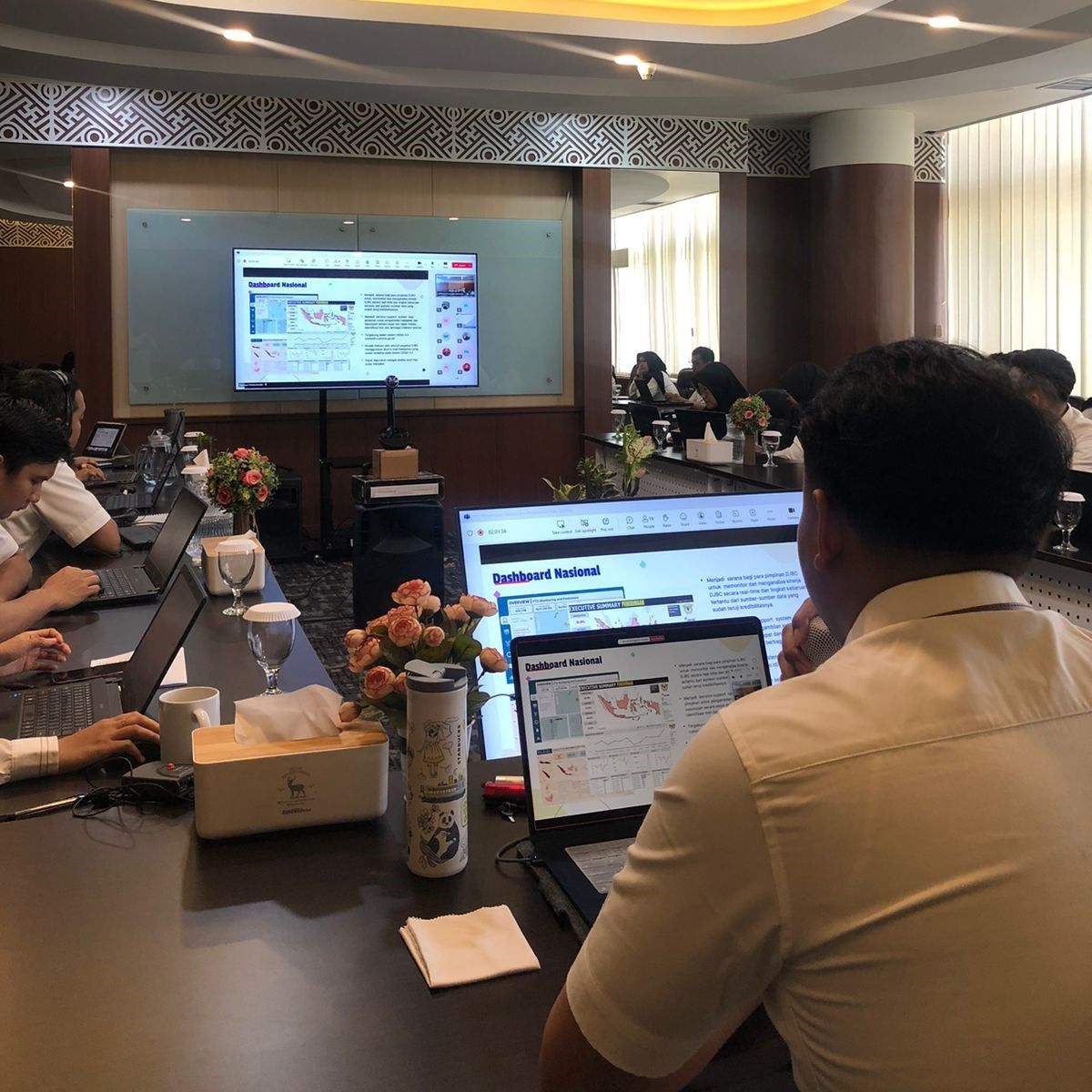
Delivered a practical session on data exploration, visualization, and decision-oriented storytelling, aimed at helping staff move from spreadsheet-heavy workflows toward clearer and more actionable use of evidence.
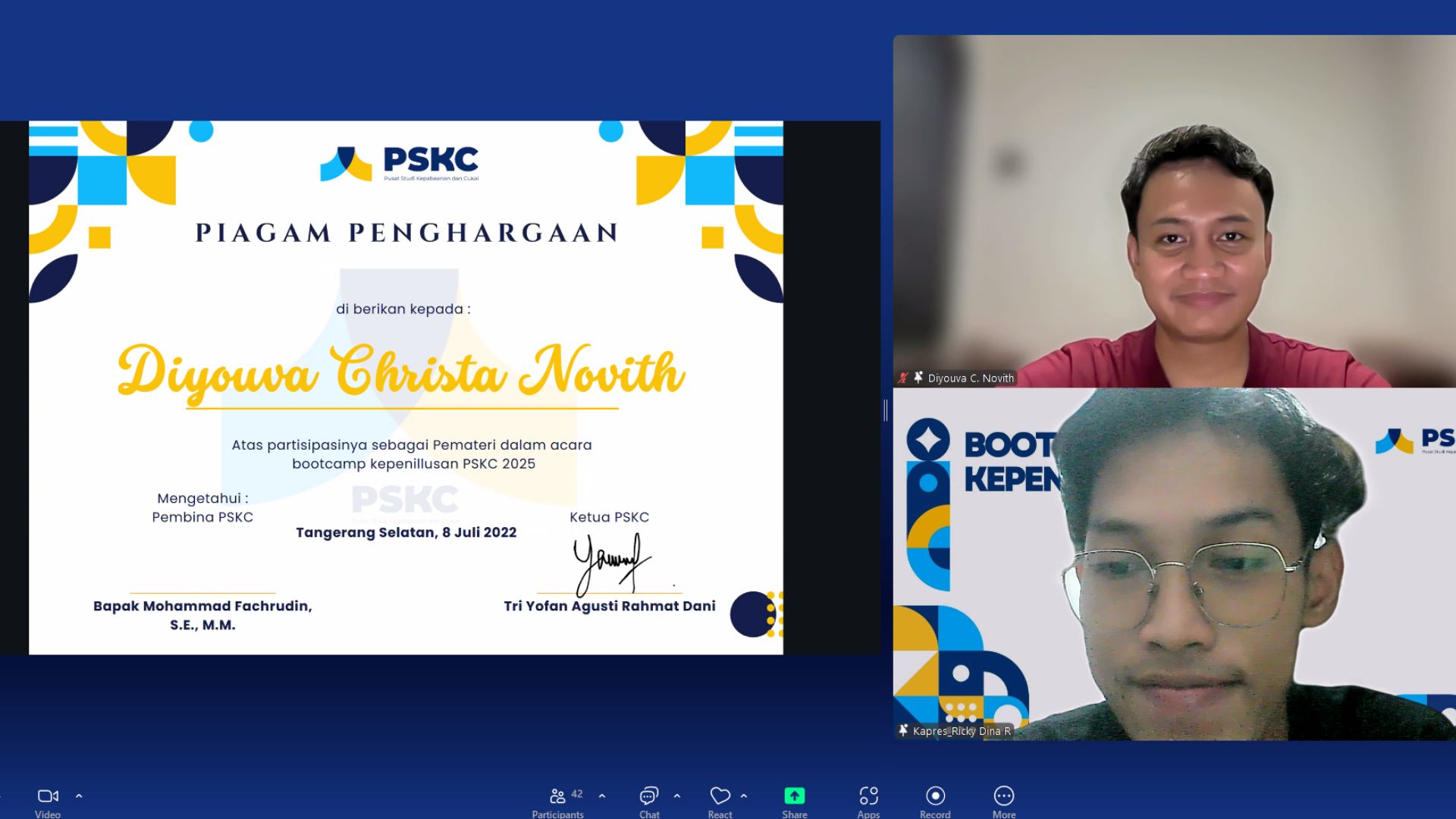
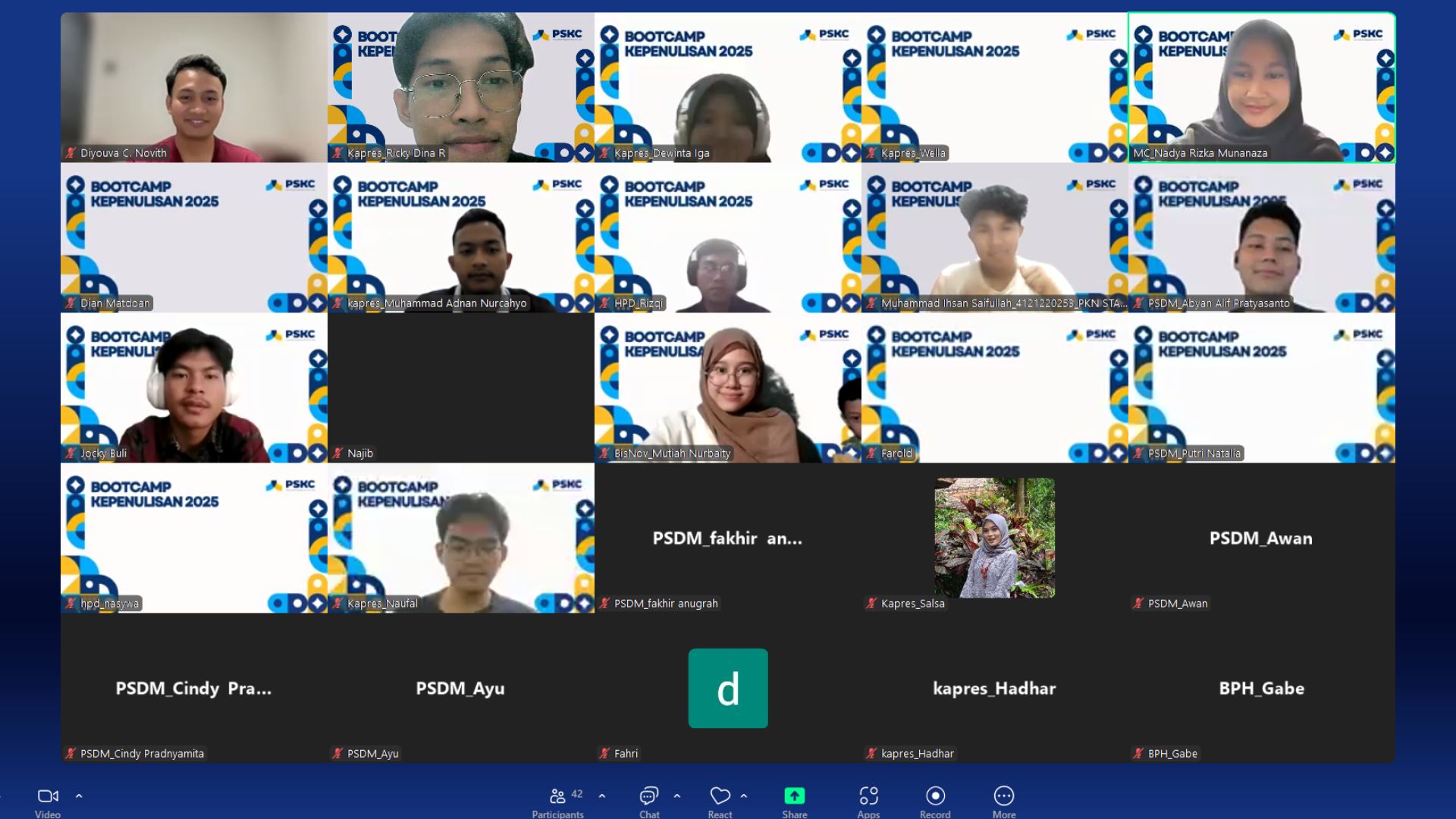
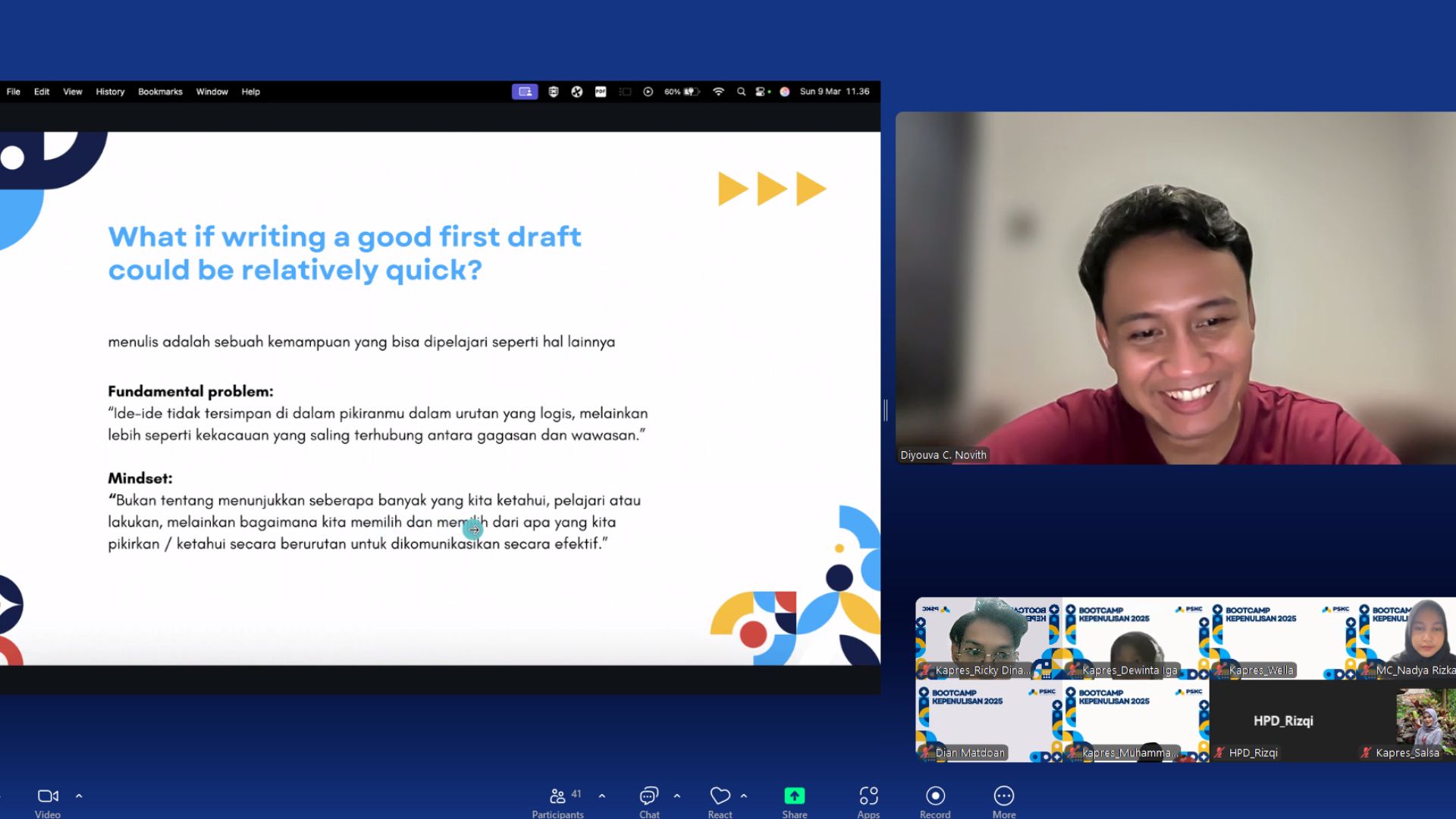
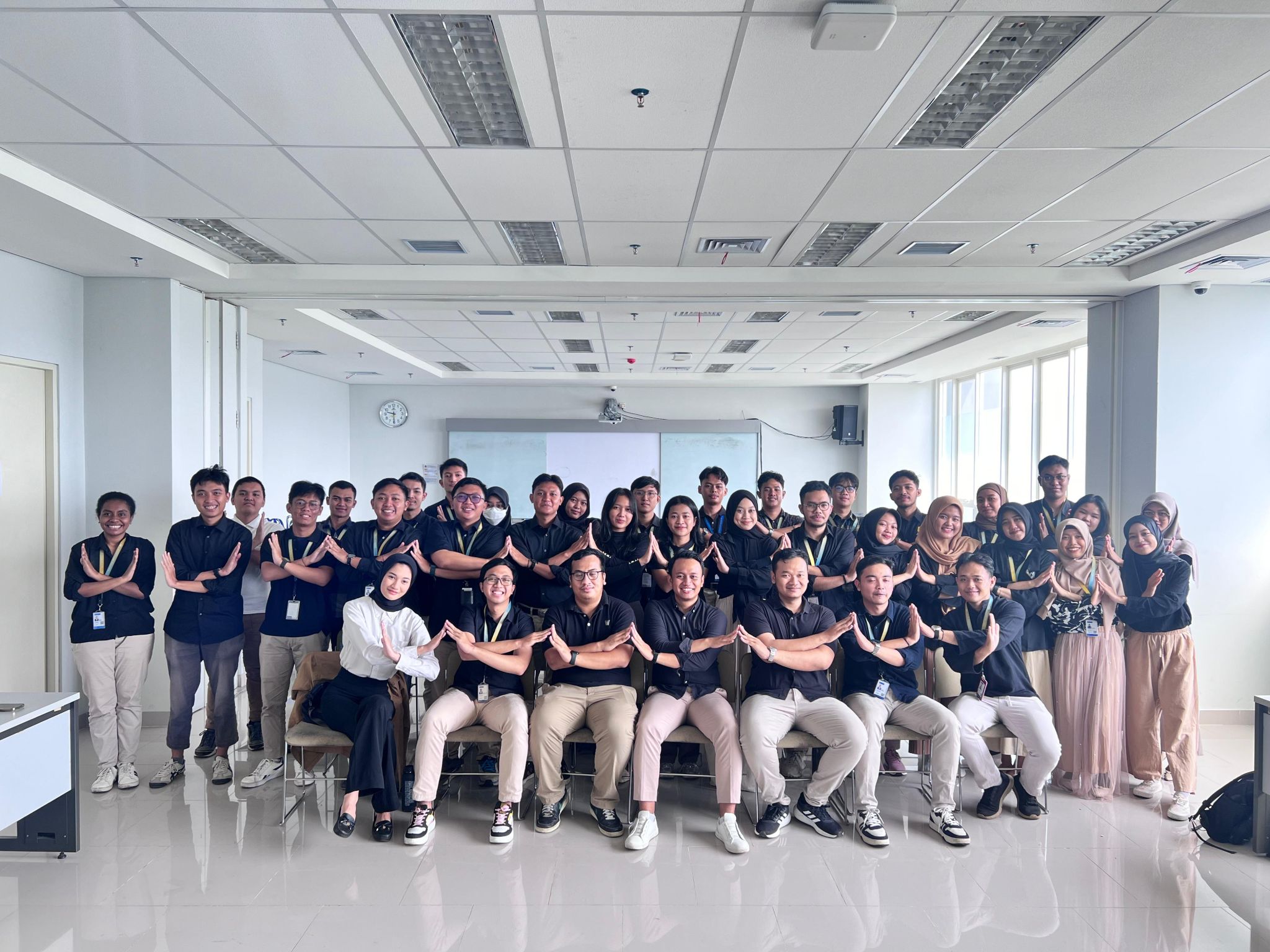
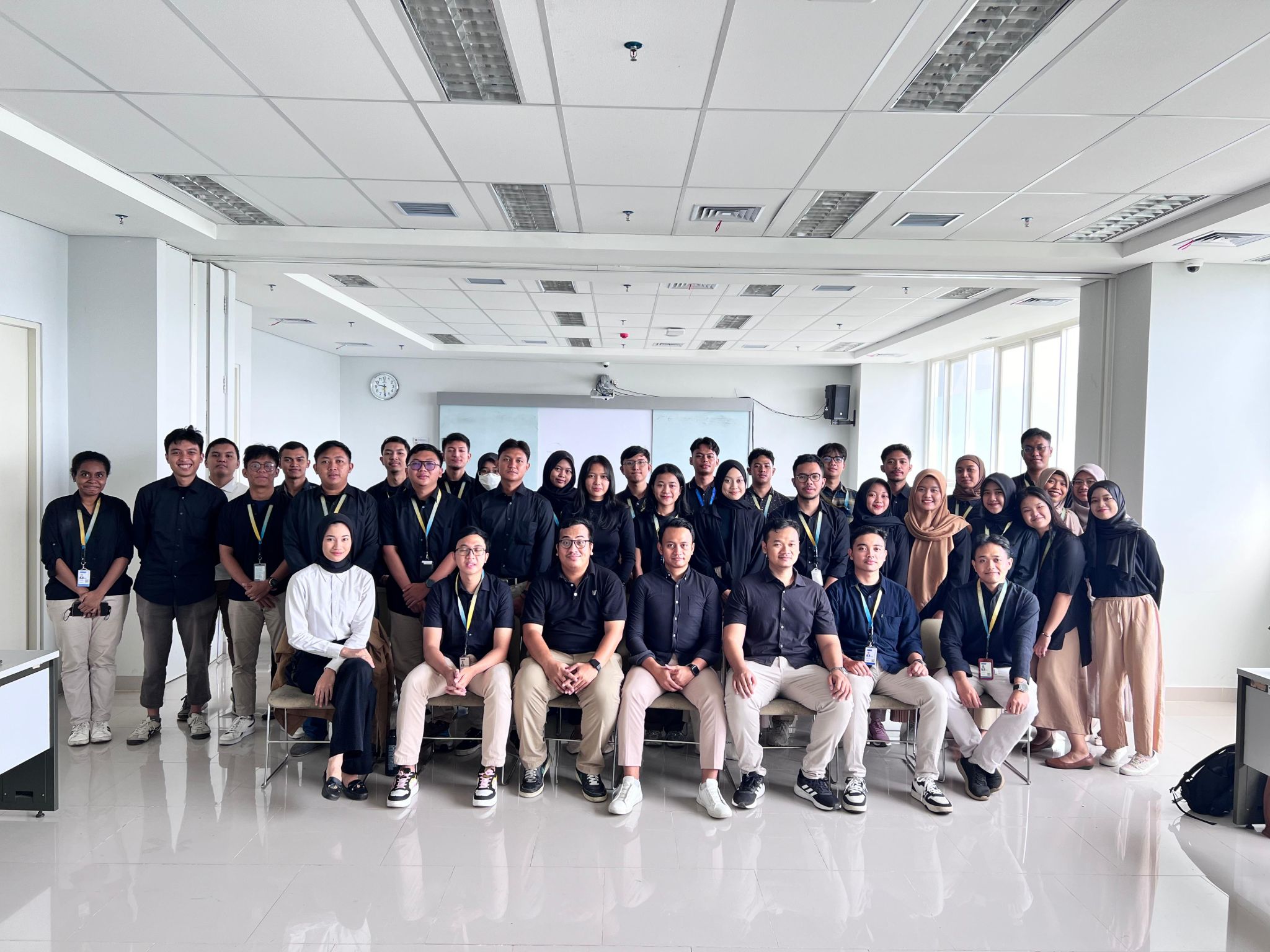
Contributed to a PSKC writing boot camp on persuasive structure, clarity, coherence, and research storytelling while mentoring PKN STAN students as emerging researchers.
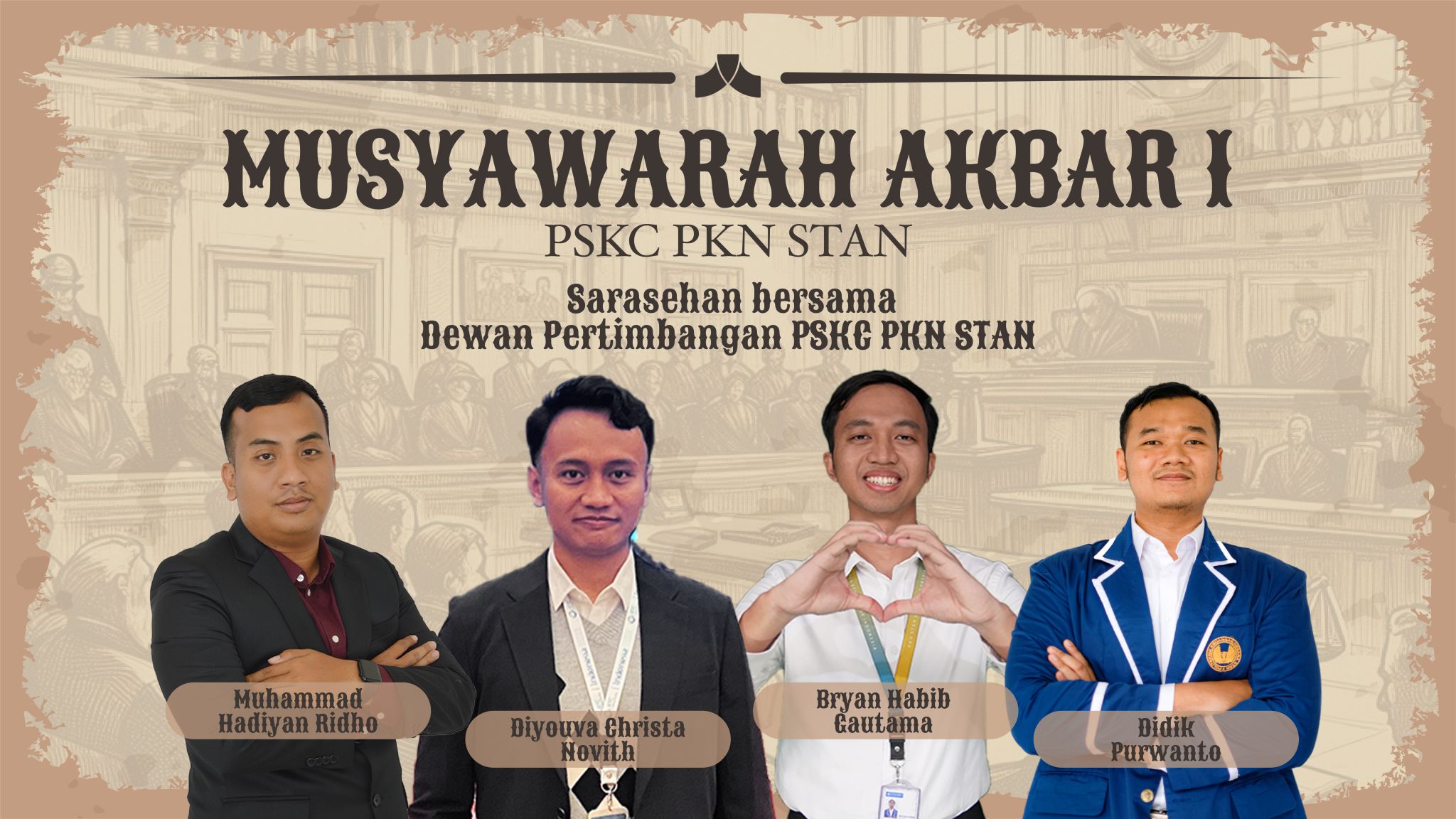
Joining the PSKC Advisory Community at PKN STAN
Pusat Studi Kepabeanan dan Cukai
2024
Joined the academic and advisory community around PSKC at PKN STAN, reinforcing ties between customs practice, research, and scholarly writing.
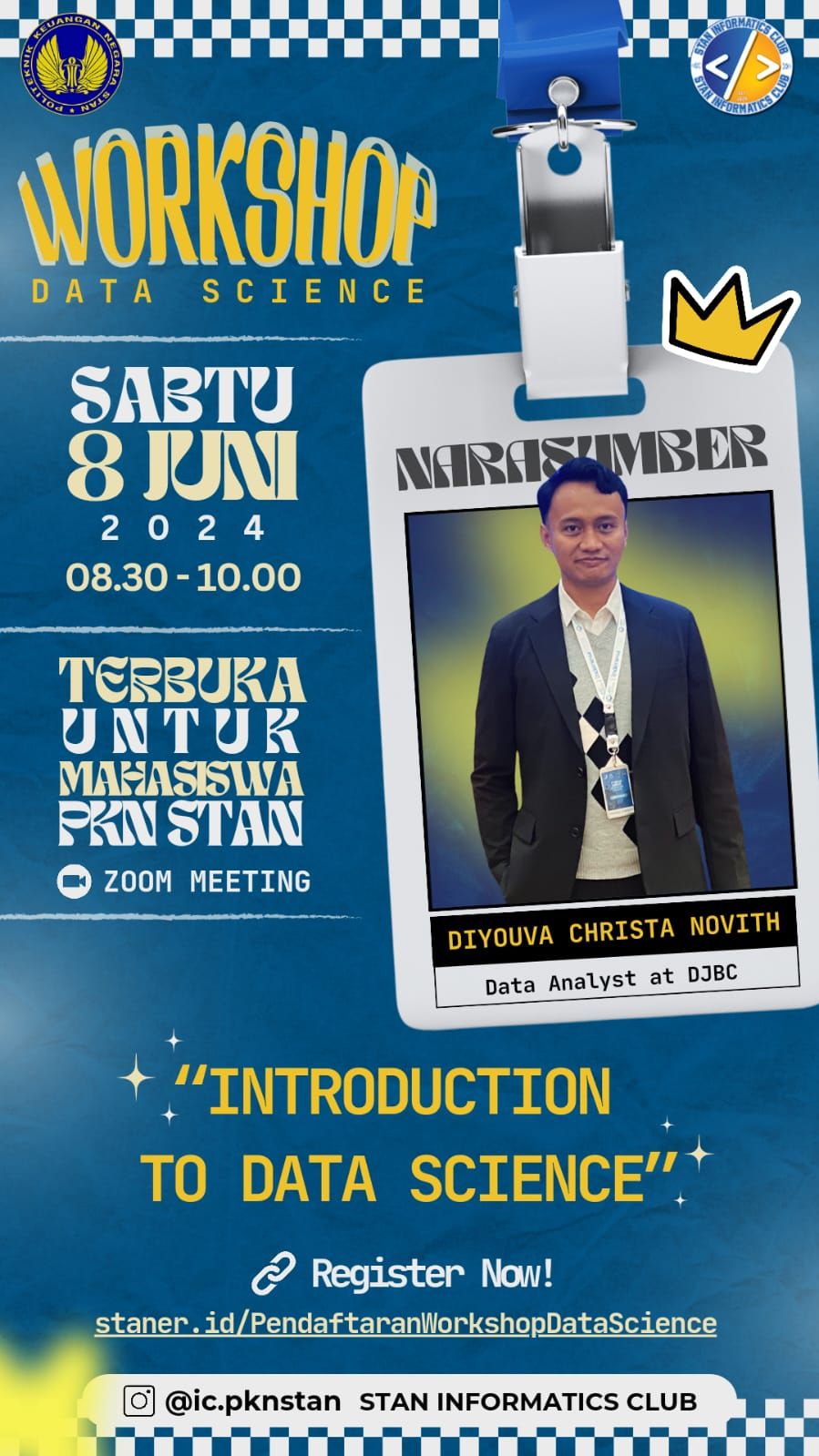
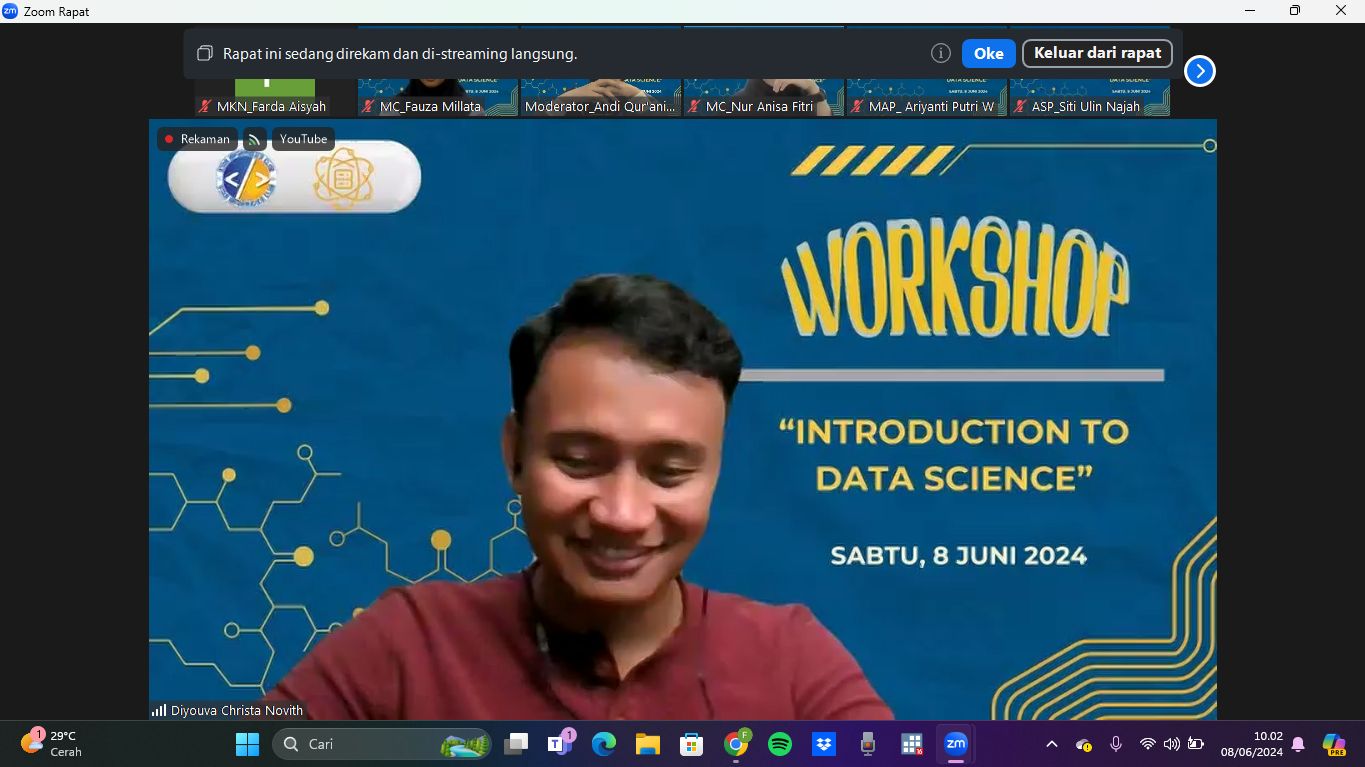
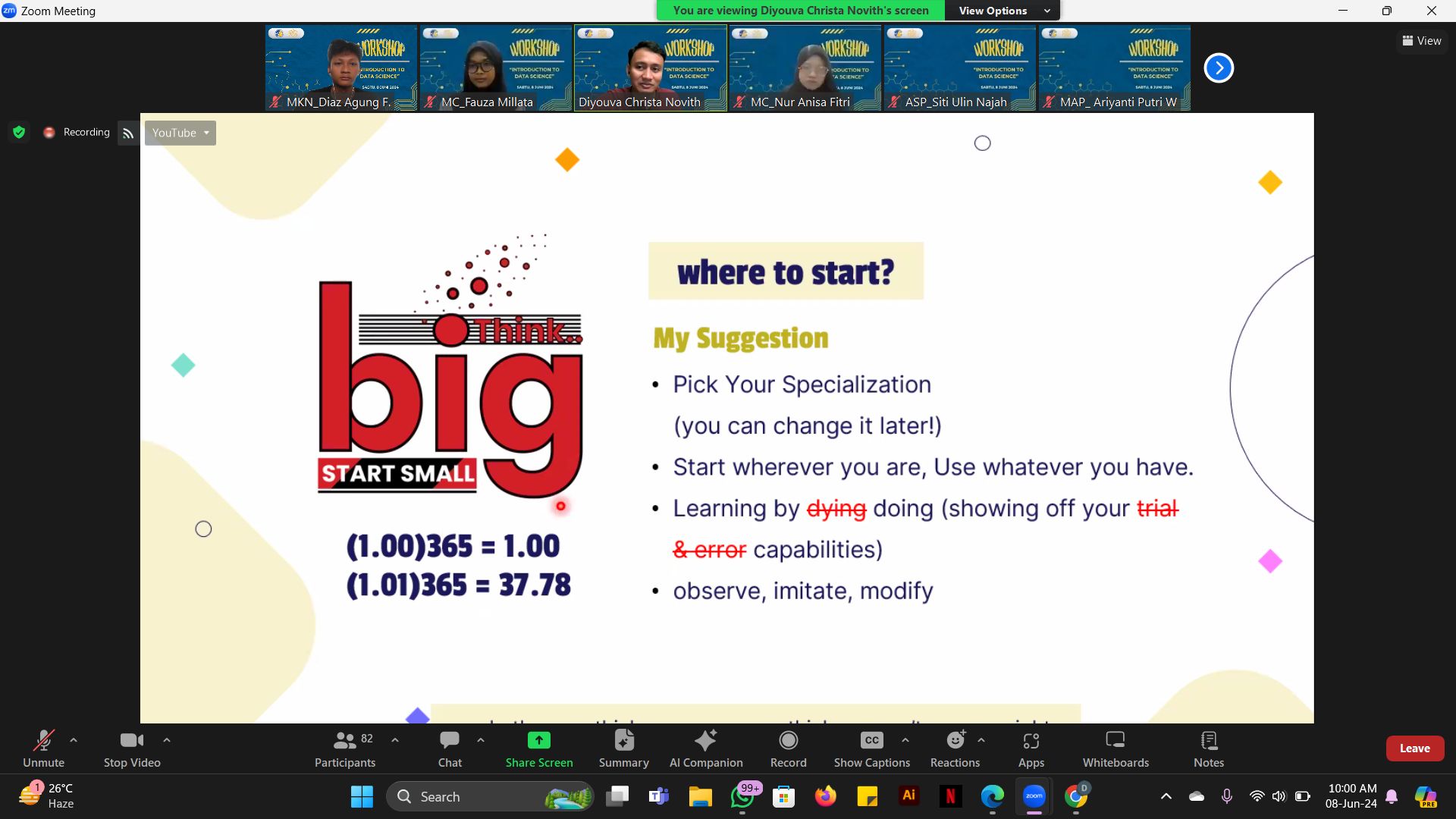
STAN Informatics Club Session on Learning Data Science
Student knowledge-sharing session
2024
Shared practical steps for learning data science, emphasizing that responsible decision-making requires not just access to data, but the knowledge to read and use it well.
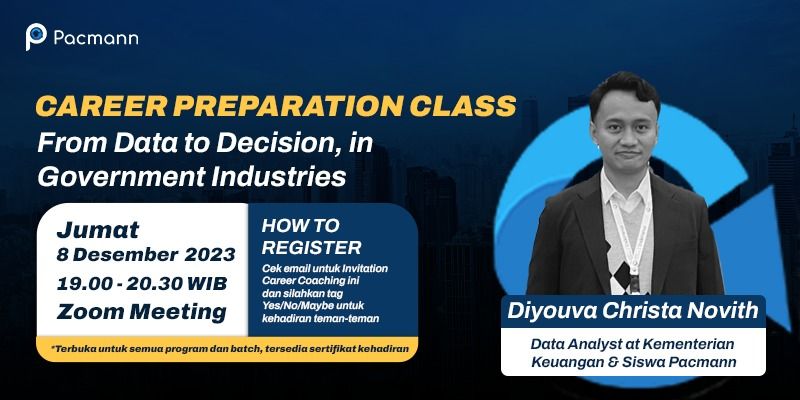
Pacmann Session on Learning Data Analysis Independently
Independent learning and motivation in data analysis
2023
Shared a personal learning journey in data analysis, focusing on motivation, consistency, and the discipline required to build expertise as an independent learner.